

Dog Boarding Blacksburg VA: A Health-First Boarding Guide
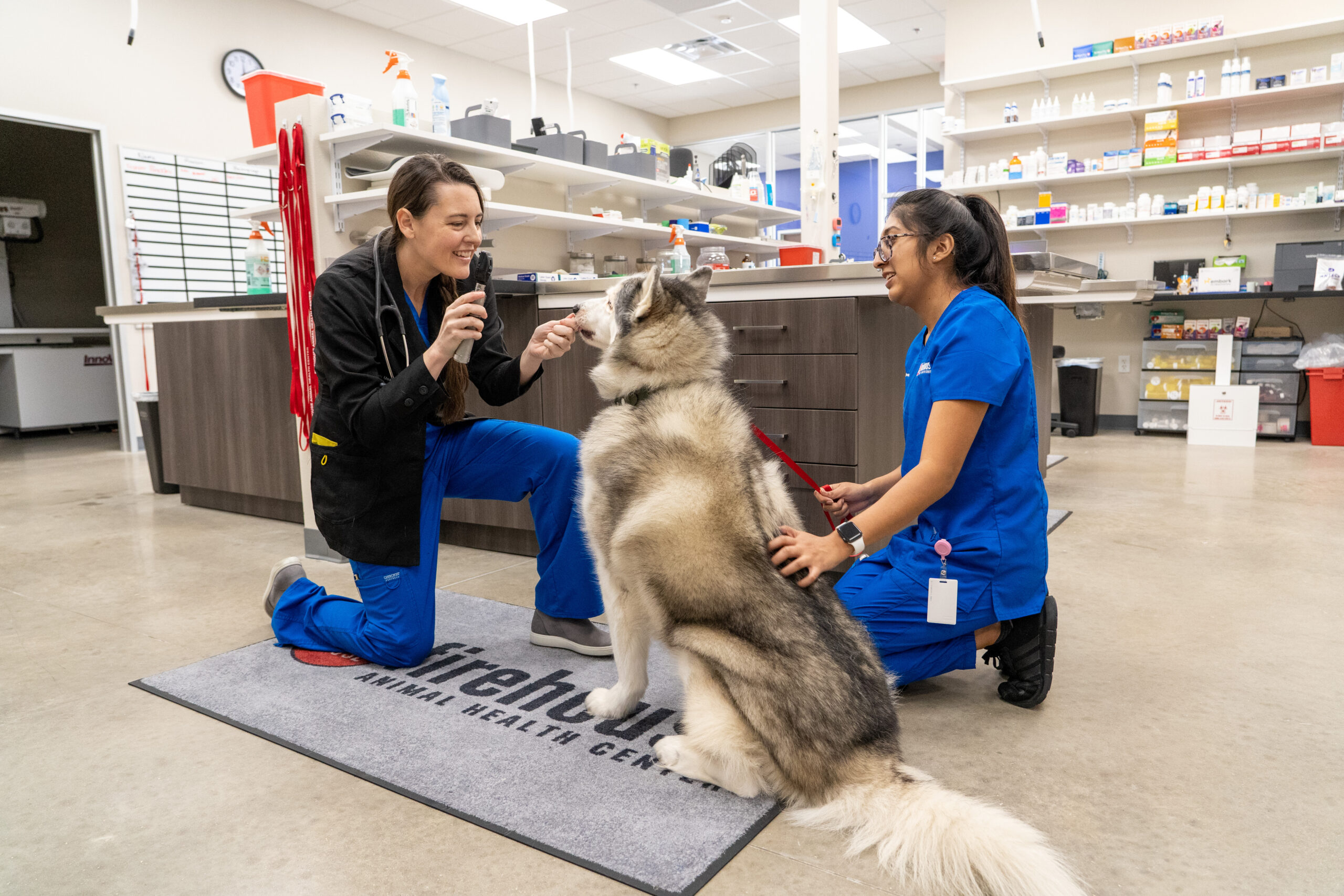 Choosing dog boarding Blacksburg VA involves more than finding an available kennel. Owners should review vaccination requirements, cleanliness, veterinary support, medication procedures, exercise routines, and how the facility handles illness. Preparing several days before boarding also gives you time to check your dog’s health and discuss any individual risks with your veterinarian.
Why Health Preparation Matters Before Dog Boarding
Boarding places dogs in an unfamiliar environment where they may encounter other animals, shared spaces, and changes in routine. Good preparation reduces avoidable health and stress-related problems.
Cornell University College of Veterinary Medicine explains that canine respiratory diseases can spread through direct contact, droplets from coughing and sneezing, and contaminated objects or surfaces. Dogs spending time in boarding kennels, daycare facilities, and other group settings can have greater exposure to respiratory pathogens.
Common warning signs include:
- coughing
- sneezing
- labored breathing
- nasal or eye discharge
- lethargy
- decreased appetite
A dog showing these symptoms should be evaluated before entering a group boarding environment.
Dog Boarding Blacksburg VA: What to Check Before Booking
A good boarding decision combines health precautions with careful evaluation of the facility. Do not rely on photos or price alone.
Use this checklist before confirming a reservation:
| What to Check | Why It Matters |
|---|---|
| Vaccination requirements | Helps reduce preventable infectious-disease risks |
| Cleanliness and ventilation | Supports a healthier shared environment |
| Veterinary access | Important if illness or injury occurs |
| Medication procedures | Essential for dogs receiving regular treatment |
| Exercise routine | Helps maintain normal activity |
| Emergency procedures | Clarifies what happens if your dog becomes ill |
| Staff supervision | Determines how quickly changes may be noticed |
UC Davis School of Veterinary Medicine recommends considering kennels with strict vaccination policies and checking cleanliness, ventilation, staff practices, and available veterinary support. Its guidance also advises owners to discuss appropriate vaccinations with their veterinarian before boarding.
Review Vaccinations Before the Boarding Date
Vaccination needs vary according to a dog’s age, health, lifestyle, and the facility’s requirements. Owners should confirm requirements before the scheduled stay rather than waiting until check-in.
UC Davis advises that dogs entering boarding environments may need protection against respiratory pathogens such as Bordetella bronchiseptica and canine parainfluenza depending on risk. Its boarding guidance recommends allowing enough time before entry for required vaccinations to take effect.
Cornell similarly advises owners to keep dogs current on routine vaccinations and to speak with their veterinarian when they are unsure of their dog’s vaccination status.
Do not independently add vaccines simply because a kennel lists them. Your veterinarian should help determine what is appropriate for your individual dog.
Consider Veterinary Support When Comparing Boarding Options
Some owners prefer boarding arrangements connected with veterinary care, particularly when a dog is older, takes medication, has a chronic condition, or has previously experienced health problems while away from home.
Pet owners researching veterinary care in Southwest Virginia may encounter Town and Country Animal Hospital Christiansburg VA while comparing local options. The clinic’s published scope of services includes boarding alongside preventative medicine, diagnostics, surgery, and 24-hour emergency care.
The clinic also states that kennel attendants provide care, comfort, and exercise for boarded pets, while its hospital remains staffed around the clock.
For owners specifically comparing dog boarding blacksburg va options, veterinary availability may be one useful factor to include alongside facility conditions, vaccination policies, location, and the individual needs of the dog.
Reduce Stress Before and After Boarding
Health is not the only consideration. An unfamiliar setting, different schedule, new sounds, and separation from owners can temporarily affect some dogs.
Texas A&M veterinary guidance recommends visiting or evaluating a facility’s cleanliness, organization, daily routine, and vaccination policies before boarding. Recent guidance also notes that persistent coughing, vomiting, diarrhea, lethargy, or major behavioral changes after a boarding stay deserve veterinary attention.
Keep feeding and medication instructions clear. Tell staff about behavioral concerns, allergies, medical conditions, and emergency contacts before leaving your dog.
Common Boarding Mistakes to Avoid
Several avoidable mistakes can make boarding more difficult:
- Booking before checking vaccination requirements.
- Boarding a dog that is already coughing or unwell.
- Failing to disclose medications or medical conditions.
- Changing food abruptly immediately before the stay.
- Choosing a facility without asking about emergency procedures.
- Ignoring persistent symptoms after the dog returns home.
Cornell recommends contacting a veterinarian promptly when a dog develops concerning respiratory symptoms rather than waiting for symptoms to become severe.
9. FAQ Section
What vaccinations should my dog have before boarding?
Requirements vary by facility and individual risk. Rabies and core vaccination status should be reviewed, while Bordetella, canine influenza, and other vaccines may be recommended depending on exposure risk. Discuss the boarding plan with your veterinarian.
Can kennel cough spread in boarding facilities?
Yes. Canine infectious respiratory diseases can spread between dogs through close contact, respiratory droplets, and contaminated items or surfaces.
Should I board my dog if it is coughing?
A coughing or otherwise unwell dog should be evaluated by a veterinarian before being placed around other dogs. This protects the sick dog and reduces potential exposure to others.
What should I tell boarding staff about my dog?
Provide medication instructions, diet information, allergies, behavioral concerns, medical conditions, veterinary contact details, and emergency contact information.
What should I watch for after boarding?
Monitor appetite, energy, breathing, coughing, vomiting, diarrhea, and behavior. Persistent or severe changes warrant veterinary advice.
Conclusion
Safe boarding starts before drop-off. Confirm health requirements, evaluate the facility, prepare medications and feeding instructions, and understand how emergencies are handled.
For dogs with existing medical needs, veterinary access deserves extra consideration. A thoughtful boarding decision should balance convenience with disease prevention, appropriate supervision, stress management, and the individual needs of your dog.